
 EN
EN
Introduction: More Than Just the Rules—Your Guide as a Pillar of Player Experience
Every card game creator knows the pivotal moment: players open the box, admire the components, and then reach for the rulebook. This booklet is far more than a set of instructions; it is the primary gateway to your game's world, the teacher of its mechanics, and a critical piece of the unboxing experience. A poorly considered guide can lead to confusion, frustration, and a game that never hits the table again. Conversely, a professionally executed rulebook enhances comprehension, builds confidence, and reinforces your brand's commitment to quality. The challenge for creators and manufacturers alike is not just printing a booklet, but seamlessly weaving its production into the broader tapestry of custom card game manufacturing. This guide will walk you through the key considerations and collaborative steps for effectively including rule booklets in your card game production, ensuring this component supports your vision and delights your players.
 |
 |
Phase 1: Strategic Planning and Content Architecture
Long before a single page is laid out, successful rulebook integration begins with strategic planning. This phase is about aligning the booklet's purpose with your game's identity and logistical reality.
Defining the Role of Your Guide:
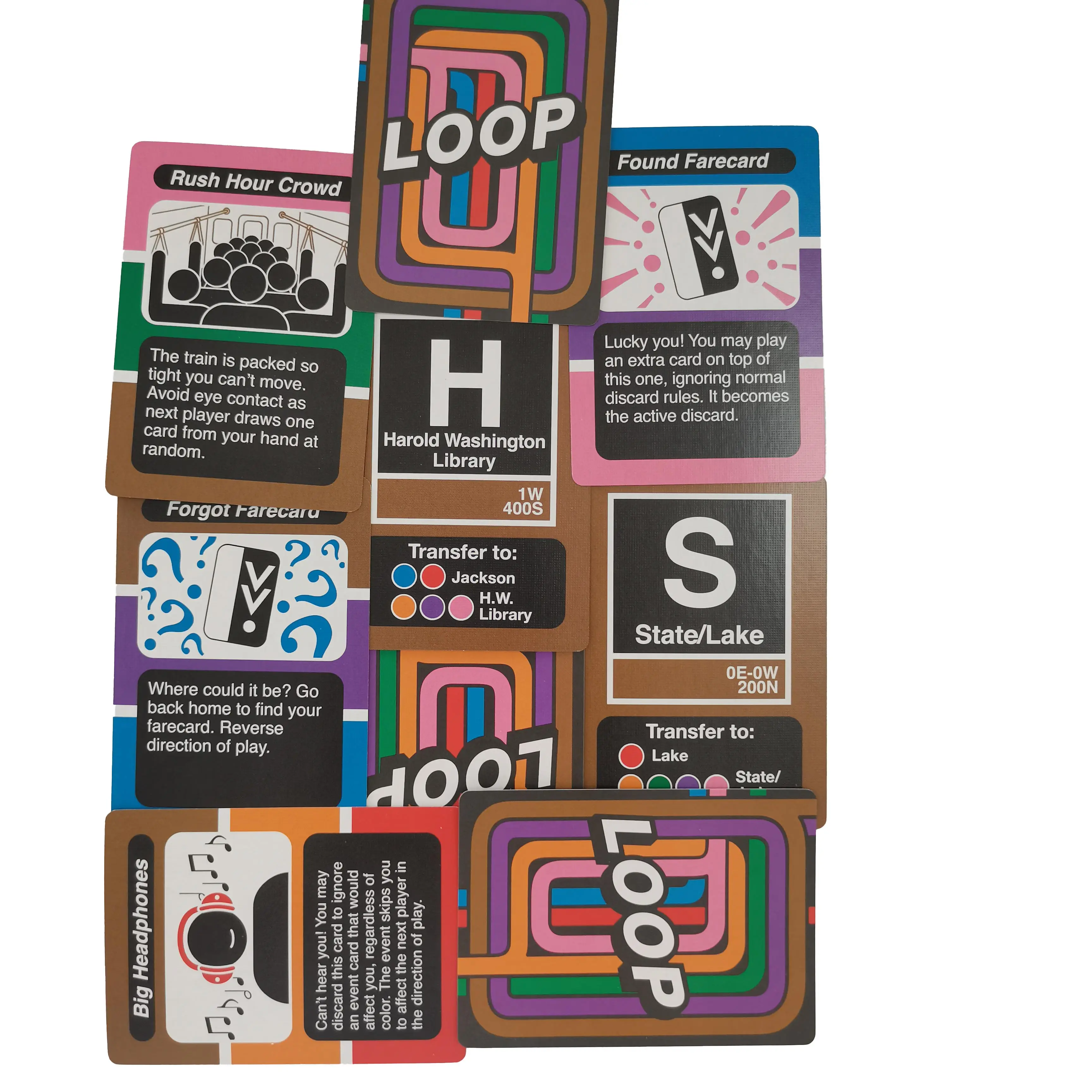
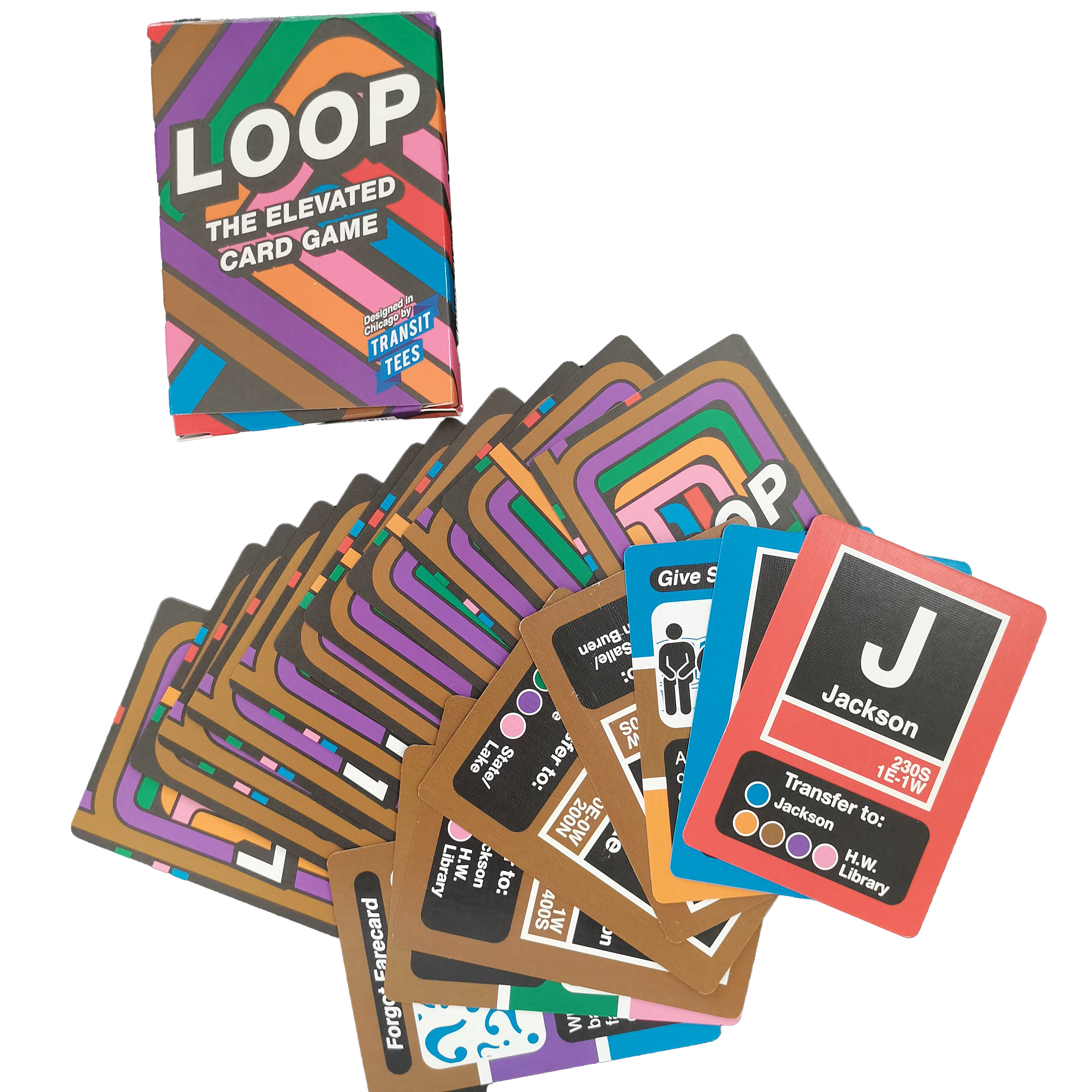
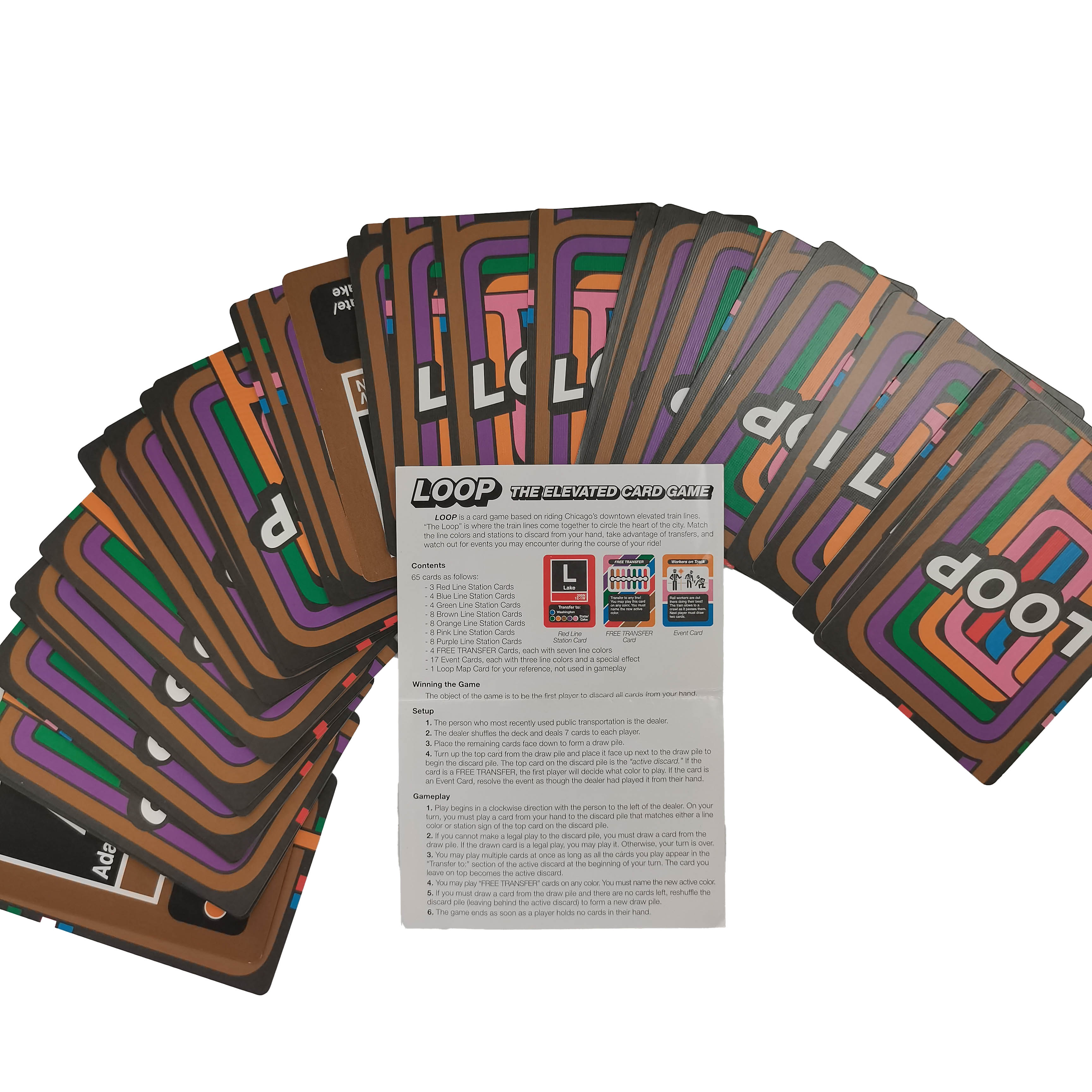
Start by asking core questions. Is this a quick-start guide for casual play, a comprehensive manual for a complex strategy game, or a hybrid? For a game like LOOP: The Elevated Card Game, which features accessible mechanics with strategic depth, the structure might include a basic "Get Playing" section followed by detailed clarifications. The physical size, page count, and even paper weight are decisions that flow from this initial purpose, impacting both the user experience and the unit cost.
Content Development and Technical Writing:
Clarity is king. Work towards final, edited text before design begins. This includes not just rules, but component lists, setup diagrams, glossary terms, and credits. For translated editions, this stage is where text expansion or contraction must be accounted for, as it will affect layout. At Dongguan Chensheng Printing, our project managers can review these specifications early, advising on standard booklet sizes that fit efficiently into your planned box dimensions and optimize material use during the printing process.
Phase 2: Design for Clarity and Seamless Manufacturing
With content solidified, the focus shifts to visual communication and designing for manufacturability. This is where graphic design meets the practicalities of the production line.
Layout and Visual Hierarchy:
A good rulebook uses design to guide the eye and reduce cognitive load. Consistent iconography from the cards should be mirrored in the booklet. Ample white space, clear headings, numbered steps, and visual examples of gameplay are essential. Diagrams explaining card interactions or board setup should be crisp and accurately labeled. This thoughtful layout prevents player errors and reduces customer service inquiries post-launch, adding value to your product.
Pre-Press and Digital Proofing:
To ensure the high-quality results you expect, your design files must be "print-ready." This means proper bleed areas (extra image that gets trimmed off), high-resolution images (typically 300 DPI or higher), and all fonts embedded or outlined. Our team utilizes advanced digital proofing systems to create a soft proof for your approval. This critical step allows you to review the exact layout, color reproduction, and typography before any physical production begins, catching potential issues that could affect legibility or aesthetic appeal.
Phase 3: Material Selection and Precision Production
The tactile feel and durability of your rulebook are direct results of informed material choices and precise execution. This phase transforms the digital design into a physical object.
Choosing Paper and Binding:
The choice of paper stock communicates quality. A thick, coated paper (like 150-200gsm art paper) feels premium, resists fingerprints, and allows colors to pop with vibrancy, ideal for high-quality art books or premium game editions. A lighter, uncoated paper might be chosen for a more economical or rustic feel. Binding is equally crucial: staple-stitching (saddle stitch) is cost-effective for booklets under about 48 pages, while perfect binding (glued spine) creates a cleaner, more professional look for thicker manuals and allows for printing on the spine.
High-Fidelity Printing and Finishing:
For the accurate and vibrant reproduction of your game's artwork, precision printing is non-negotiable. Modern printing equipment, such as the high-precision presses used in our facility, ensures that the intricate details and specific color palettes of your design are consistently reproduced across every booklet in your print run. Following printing, protective coatings like a satin or matte lamination can be applied. This not only enhances the feel but also protects the pages from scuffs and moisture during handling, a vital consideration for a product meant to be used repeatedly.
Phase 4: Quality Integration and Final Assembly
The final stage ensures the rulebook is not an afterthought, but an integral, flawlessly incorporated component of your finished game.
In-Line Quality Assurance:
During the manufacturing process, the same rigorous quality standards applied to the cards are extended to the rulebooks. This involves checks for color consistency against your approved proofs, accuracy of trimming and folding, and the integrity of the binding. Catching and rectifying deviations here—such as a misaligned cut or a smudged print—prevents defective units from progressing down the line, safeguarding your investment.
Assembly and Packing Protocol:
How and where the rulebook is placed in the box is a final, often overlooked, detail of user experience. Will it sit on top of the components, or in a dedicated slot? We coordinate the production schedules of cards, boxes, and booklets so that all components arrive at the assembly station in sync. The rulebooks are then methodically inserted according to a predefined packing plan, ensuring every box that leaves for sales or distribution is complete and consistent. This logistical harmony is a key advantage of working with a partner offering end-to-end production capabilities.
Conclusion: Your Complete Vision, Realized
A rulebook should never be the component where corners are cut. It is a fundamental touchpoint between your game and its audience. By viewing its creation as a multi-phase journey—encompassing strategic planning, intentional design, quality manufacturing, and careful integration—you elevate the entire product.
Partnering with a manufacturer who understands this holistic process, like Dongguan Chensheng Printing, ensures that your rulebook receives the same expert attention as your custom cards. We provide the technical expertise, precision equipment, and integrated workflow to ensure your guide is produced to the highest standards, seamlessly becoming a valued part of the game experience you've worked so hard to create.
Ready to ensure every element of your custom card game, from the cards to the crucial rulebook, is produced with unmatched quality and cohesion? Contact our team today to discuss your project and receive a comprehensive consultation.